
FOOD
cultural significance mouhalabieh: Preparation Methods

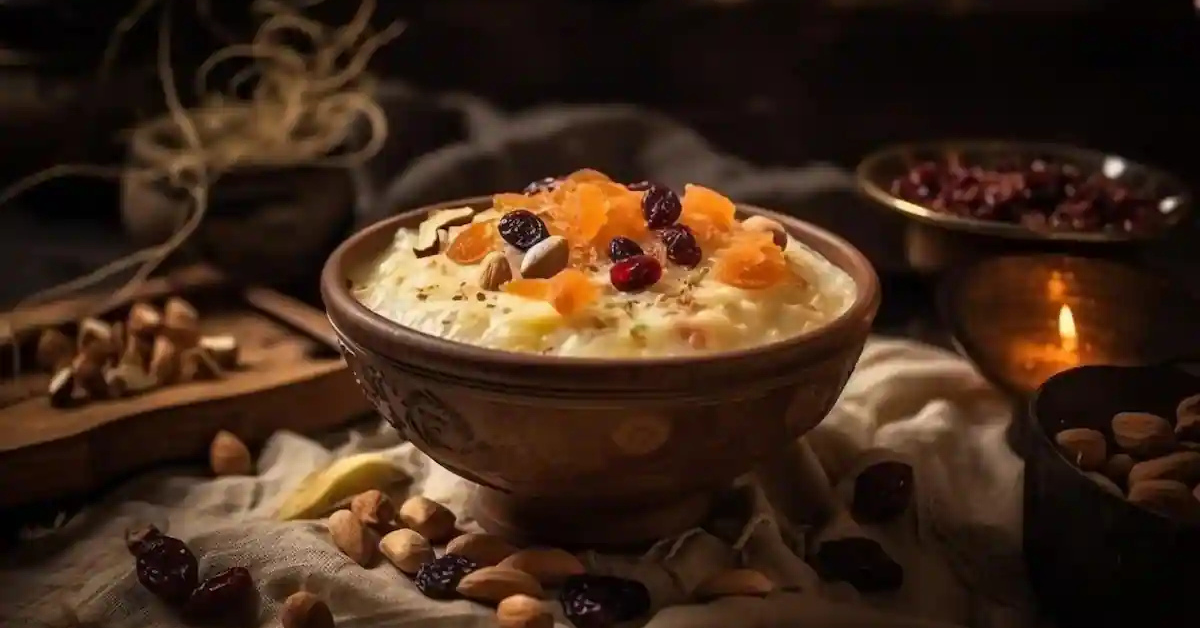
Culture significance muhalabieh is more than just a delightful dessert; it’s a sweet connection to the rich tapestry of Middle Eastern culture. Imagine a smooth, creamy pudding infused with aromatic flavors that dances across your palate. This treat has been cherished for generations, weaving its way through family gatherings and festive celebrations. As we explore the cultural significance of mouhalabieh, we’ll uncover not only its origins but also the traditions and stories that make this dish truly special. Whether you’re savoring it at a grand feast or enjoying a quiet moment at home, mouhalabieh invites everyone to indulge in its soothing embrace while celebrating shared heritage and culinary artistry.
The Origins and History of Mouhalabieh
Mouhalabieh has roots that stretch back centuries, intertwining with the rich tapestry of Middle Eastern cuisine. It is believed to have originated in ancient Mesopotamia, where sweetened milk-based desserts were first crafted.
As trade routes flourished, so did the spread of this delightful dish. Arab merchants brought it to different regions, adapting local ingredients and flavors along the way.
Historical texts suggest that mouhalabieh was a favorite among royalty and common folk alike. Its creamy texture and fragrant essence made it a symbol of hospitality in many cultures.
Over time, variations emerged reflecting regional tastes—from rosewater in Lebanon to pistachios and almonds sprinkled on top. This evolution reflects not just culinary preferences but also cultural exchanges across borders. The journey of mouhalabieh tells a story rich with tradition, innovation, and community bonding through food.
Cultural Significance of Mouhalabieh
Mouhalabieh is more than just a delightful dessert; it embodies rich cultural narratives. Traditionally enjoyed during festive occasions, this creamy treat brings families and friends together.
Its preparation often involves shared recipes passed down through generations, reflecting the bonds of heritage. Each spoonful tells a story of community and connection.
In many cultures across the Middle East, mouhalabieh signifies hospitality. Offering it to guests showcases warmth and generosity, enhancing social ties.
Moreover, its presence at weddings and gatherings elevates the celebratory spirit. The sweet aroma wafting through homes evokes nostalgia for simpler times spent around loved ones.
As culinary traditions evolve, mouhalabieh remains a symbol of identity. It connects people with their roots while also adapting to modern tastes—ensuring that this beloved dish continues to thrive in contemporary kitchens.
Traditional Ingredients and Preparation Methods
Mouhalabieh, a delightful Middle Eastern dessert, relies on simple yet essential ingredients. The foundation consists of milk and sugar combined with cornstarch for that perfect creamy texture.
Flavor is key, often enhanced by fragrant additions like rose or orange blossom water. These floral notes elevate the dish, making it a sensory experience.
Nuts such as pistachios or almonds are typically used as toppings. They add crunch and richness to each spoonful.
Preparation begins with dissolving cornstarch in cold milk before heating the mixture until thickened. This process requires patience to achieve the smooth consistency that defines mouhalabieh.
Once poured into serving dishes, it cools down before being adorned with nuts and syrupy splashes of flavoring. Each step embodies tradition, reflecting generations of culinary practice passed down through families.
Regional Variations and Adaptations
Mouhalabieh showcases a delightful array of regional variations across the Middle East. Each area adds its own twist, influenced by local ingredients and traditions.
In Lebanon, for instance, rose water is often infused into the creamy dessert. This fragrant addition enhances its aroma and taste, creating a unique sensory experience.
In contrast, Turkish versions might incorporate more robust spices or nuts like pistachios and almonds on top for added texture and flavor.
Moving to Syria, you may find hints of orange blossom water mingling with the base recipe, offering a fresh citrus note that complements the sweetness beautifully.
These adaptations not only reflect local palates but also celebrate cultural heritage. Families pass down their specific recipes through generations, making each bowl of Mouhalabieh a representation of shared memories and culinary identity.
How Mouhalabieh is Served and Enjoyed Today
Mouhalabieh has become a beloved dessert across many cultures. Its creamy texture and delicate flavor make it a delightful end to any meal. Today, this traditional treat is often served in small glass bowls or elegant cups, showcasing its beautiful consistency.
Topped with crushed pistachios or almonds, the dish adds a lovely crunch. Drizzles of rose water or orange blossom syrup enhance its aromatic appeal. These garnishes are not just for decoration; they elevate the overall taste experience.
In contemporary settings, you might find mouhalabieh presented at festive gatherings and special occasions. It’s also common to enjoy it during family get-togethers, where sharing food fosters connection.
Moreover, restaurants have begun experimenting with flavors such as chocolate and coffee-infused versions of mouhalabieh. This modern twist caters to diverse palates while honoring the original essence of this cherished dessert.
Conclusion: Why We Should Celebrate and Preserve the Cultural Significance of Mouhalabieh
Mouhalabieh is more than just a delightful dessert; it embodies the rich cultural tapestry of the regions it comes from. This creamy treat connects generations, traditions, and flavors that tell stories of community and heritage. By celebrating mouhalabieh, we honor not only its deliciousness but also the history behind it—stories passed down through families who cherished every spoonful.
Preserving its cultural significance means embracing diversity in our culinary practices. Each variation brings unique ingredients and methods that reflect local customs and tastes. As cultures intermingle in today’s global landscape, mouhalabieh continues to be a unifying symbol—a reminder of where we come from.
By sharing recipes, hosting tasting events, or simply enjoying this delicacy with friends and family, we keep alive the spirit of mouhalabieh. It serves as an invitation for new generations to explore their roots while appreciating what others have contributed to this beloved dish.
Celebrating mouhalabieh encourages us all to delve deeper into our own culinary heritages while respecting those around us. This dessert is not merely food; it’s a celebration of life itself—a sweet tribute to culture that deserves recognition and preservation for years to come.
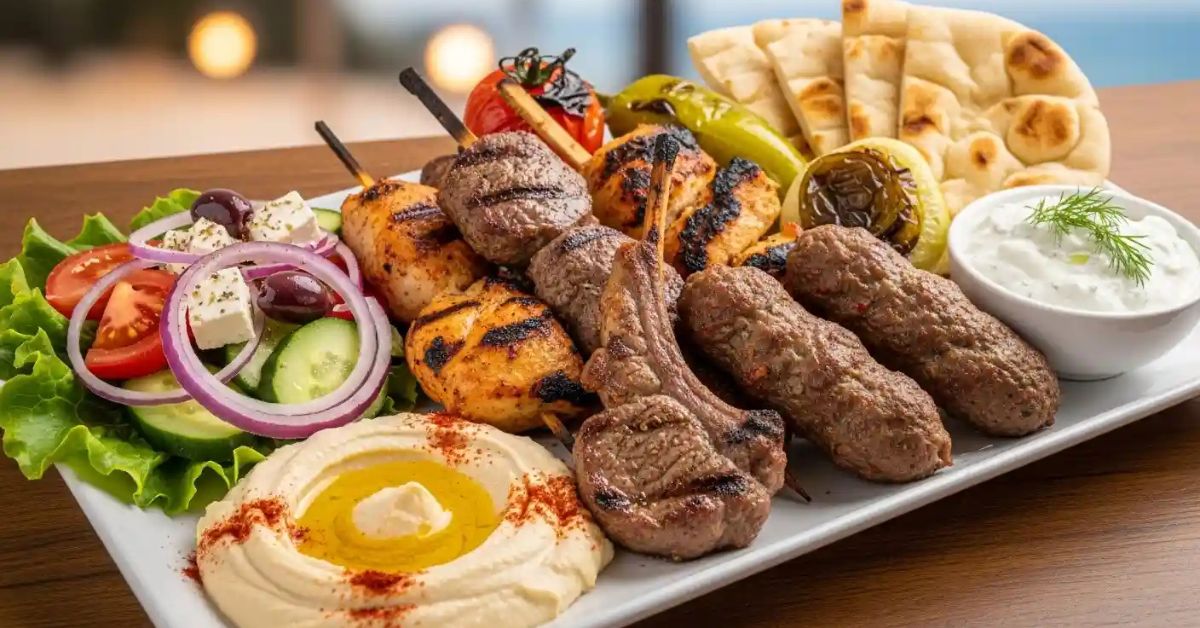
Levapioli—a dish that whispers tales of tradition, culture, and culinary artistry. This delightful creation has traveled through time, captivating taste buds across generations. With roots tracing back to the heart of Mediterranean cuisine, Levapioli is more than just a meal; it’s an experience steeped in history and flavor.
Imagine sinking your teeth into tender meat wrapped in warm dough, seasoned to perfection with spices that dance on your palate. Each bite tells a story of its origins—stories filled with family gatherings and celebrations around rustic tables.
Join us as we embark on a flavorful journey through the world of Levapioli, exploring its rich history, traditional ingredients, unique preparation methods, and modern interpretations that keep this dish alive today. Whether you’re a culinary enthusiast or simply curious about new tastes, there’s something enchanting waiting for you in every piece of Levapioli.
Ingredients Used in Levapioli
At the heart of Levapioli lies a blend of high-quality ingredients that create its irresistible flavor. The star component is finely minced meat, typically beef or lamb. This choice adds richness and depth to each bite.
Spices play a crucial role in defining the dish’s character. A mix of salt, black pepper, and paprika enhances the meat’s natural taste while providing warmth. Some regions might toss in garlic for an extra kick.
The dough used for wrapping is equally important. Made from simple flour, water, and yeast, it forms a soft yet sturdy casing that encases the flavorful filling perfectly.
Fresh herbs like parsley can also be sprinkled throughout for brightness. Each ingredient contributes to Levapioli’s unique profile and embodies centuries-old culinary traditions passed down through generations.
Traditional Methods of Preparing Levapioli
The preparation of Levapioli is a time-honored tradition. It begins with the selection of quality ingredients, each adding a unique layer to the final dish.
Meat is typically marinated and seasoned before being shaped into small patties or rolls. This careful attention to flavor lays the groundwork for an unforgettable taste.
Once molded, these treats are cooked over an open flame or grilled on hot coals. The smoky aroma that wafts through the air enhances every bite.
Another traditional method involves baking them in a wood-fired oven, which creates a delightful crust while keeping the inside tender and juicy.
Each step reflects generations of culinary expertise passed down through families, celebrating culture and passion in every savory mouthful.
Regional Variations of Levapioli
Levapioli is not just a dish; it’s a canvas of regional flavors and traditions. In Italy, where it originated, variations flourish across different regions. Each area adds its unique twist to this beloved delicacy.
In the north, you might find Levapioli infused with local cheeses and herbs like basil or oregano. It becomes a rich tapestry of creamy textures and aromatic scents that dance on your palate.
Travel southward, and you’ll encounter spicy versions featuring chili flakes or paprika. These fiery twists bring an exciting kick that warms the soul during colder months.
Coastal areas often incorporate fresh seafood into their recipes. Imagine Levapioli filled with shrimp or squid—an homage to the bountiful Mediterranean waters.
Each bite tells a story of cultural influences, local ingredients, and generations of culinary expertise passed down through time. It’s more than food; it’s a journey through Italy itself.
Exploring the Flavors of Levapioli
Levapioli is a culinary gem that tantalizes the taste buds. Each bite introduces layers of flavor, making it a favorite among food lovers.
The rich blend of spices creates an aromatic experience. Cumin and paprika often take center stage, offering warmth and depth. The tenderness of the meat melts in your mouth, complemented by fresh herbs like parsley or cilantro.
Accompanying sauces elevate levapioli further. A dollop of creamy yogurt or tangy tahini can enhance its savory profile beautifully.
Texture plays a key role as well; the crispy exterior contrasts with juicy interiors, providing an exciting sensation with every bite. Enjoyed alongside warm bread or fresh vegetables, levapioli becomes even more satisfying.
Every region adds its flair to this dish, showcasing local ingredients that enrich its essence and story at each turn.
Modern Takes on Levapioli
Modern interpretations of Levapioli are breathing new life into this traditional dish. Chefs today are experimenting with unique ingredients and innovative cooking methods while honoring the classic flavors.
Some have introduced gourmet spices, elevating the flavor profile beyond its rustic roots. Others opt for plant-based substitutes, catering to a growing audience seeking vegetarian or vegan options without sacrificing taste.
Fusion cuisine is also making waves. Think Levapioli served in tacos or as sliders at trendy food trucks. These bold combinations attract diners looking for something familiar yet refreshingly different.
Presentation has become an art form too. Instead of straightforward platters, modern dishes might arrive deconstructed on stylish boards, inviting patrons to engage more deeply with their meal.
Through these adaptations, Levapioli remains relevant and continues to captivate palates around the world—proving that it’s not just about tradition but evolution as well.
Where to Find Authentic Levapioli
Finding authentic Levapioli can be a delightful adventure. Many cities boast eateries that pride themselves on serving traditional dishes.
Start your search in local markets, where family-owned stalls often sell freshly made Levapioli. These vendors usually follow age-old recipes passed down through generations.
Restaurants specializing in regional cuisine also offer excellent options. Look for places that emphasize homemade ingredients and traditional cooking techniques. Don’t hesitate to ask questions; passionate chefs are eager to share their craft.
For a true experience, consider visiting cultural festivals celebrating the dish. Here, you can taste various interpretations of Levapioli while soaking up the vibrant atmosphere.
Online platforms may have listings or reviews highlighting hidden gems in your area. Connecting with food bloggers or culinary enthusiasts can lead you to must-try locations as well.
Conclusion: The Timeless Appeal of Levapioli
Levapioli holds a special place in the hearts of food lovers around the world. Its rich history and cultural significance make it more than just a dish; it’s a culinary experience steeped in tradition. The blend of flavors from its high-quality ingredients brings people together, whether at family gatherings or street festivals.
As you explore this delightful dish, you’ll find that every bite tells a story. From traditional preparation methods passed down through generations to modern interpretations that push culinary boundaries, Levapioli showcases versatility and creativity.
No matter your location, finding authentic Levapioli can be an adventure worth taking. Each region offers its unique spin on the classic recipe, ensuring there is always something new to discover. Whether enjoyed as part of a casual meal or presented at fine dining establishments, Levapioli continues to capture palates across cultures.
The timeless appeal of Levapioli lies not only in its taste but also in the memories created around it. As you savor each mouthful, remember that you’re participating in a shared heritage—a celebration of flavor and community that transcends time. Let yourself dive into this exquisite journey through taste and tradition; it’s one worth relishing again and again.


In recent years, the term calamariere has sparked curiosity across food circles, gourmet blogs, and culinary innovation spaces. While the word itself sounds exotic and intriguing, its significance reaches far beyond just a unique-sounding dish. Whether you’re a seafood enthusiast, a curious traveler, or someone exploring new culinary trends, understanding what calamariere represents is a delicious journey worth taking.
Let’s unravel the mystery of calamariere together.
What is Calamariere?
Understanding the Origin of Calamariere
The term calamariere stems from the root word “calamari,” which is a widely used term for squid in Mediterranean cuisine. “-iere” is a suffix often used in French and Italian to denote a profession or a tool. Combined, calamariere could symbolically represent a dish, a preparation style, or even a person associated with squid-based cuisine.
The Cultural Roots of Calamariere
A Mediterranean Heritage
Most believe calamariere has roots in coastal Italian and Greek traditions, where squid is a staple. Whether it’s grilled, fried, or stuffed, squid has long been cherished for its versatility and flavor. Calamariere takes this love to the next level, presenting squid with flair and innovation.
Calamariere vs Calamari: What’s the Difference?
While calamari usually refers to fried squid rings, calamariere is a more artistic and gourmet approach. Think of calamariere as the elevated sibling of calamari—more refined, plated elegantly, and often featuring creative ingredients like saffron aioli, microgreens, or squid ink reduction.
How Calamariere is Prepared
Traditional Methods
In classic kitchens, calamariere preparation follows a few essential steps:
-
Fresh squid is cleaned thoroughly.
-
The body is either sliced into rings or kept whole for stuffing.
-
It may be grilled, sautéed, or lightly fried.
-
Ingredients like garlic, lemon, herbs, and white wine are key flavor enhancers.
Modern Fusion Techniques
Modern chefs are pushing the limits:
-
Infusing squid with Asian flavors like soy, miso, or gochujang.
-
Serving calamariere as sushi or on tapas platters.
-
Pairing it with wine reductions or artisan sauces.
The Rise of Calamariere in Gourmet Restaurants
From Street Food to Fine Dining
While calamari has long been a street food favorite, calamariere is redefining how we view squid. Top chefs are now featuring calamariere on tasting menus, elevating it with molecular gastronomy techniques or unique presentations on lava stone plates.
Why Calamariere is Gaining Popularity
Healthy and High in Protein
Squid is lean, low in fat, and rich in protein. For those seeking nutritious yet flavorful meals, calamariere offers the perfect combination.
Instagram-Worthy Aesthetic
With its artistic presentation, calamarier’e has also become a social media darling. Foodies love posting its intricate details and rich textures on Instagram and TikTok.
How to Make Calamariere at Home
You don’t need to be a Michelin-star chef. Here’s a basic recipe idea:
Simple Grilled Calamariere
Ingredients:
-
500g cleaned squid
-
2 tbsp olive oil
-
2 cloves garlic (minced)
-
Lemon zest and juice
-
Fresh parsley
-
Sea salt and pepper
Steps:
-
Marinate squid in olive oil, garlic, and lemon zest.
-
Grill on medium heat for 2–3 minutes per side.
-
Sprinkle parsley, squeeze fresh lemon, and serve with aioli or spicy tomato dip.
Pairing Calamariere with Wine and Sides
-
White Wines: Sauvignon Blanc or Pinot Grigio complement its flavor.
-
Sides: Roasted veggies, couscous, or a citrusy arugula salad work well.
Is Calamariere Suitable for All Diets?
While seafood isn’t for vegetarians or vegans, calamarier’e fits Mediterranean, Keto, and low-carb diets perfectly. Just avoid deep frying if you want it heart-healthy.
Sustainability and Ethical Sourcing
Why It Matters
Overfishing is a global issue. When preparing or ordering calamarier’e, ask if the squid was ethically and sustainably sourced. Look for certifications or ask restaurants about their seafood origins.
The Future of Calamariere
Chefs continue to reinvent the dish with plant-based squid substitutes, bold flavor pairings, and eco-friendly techniques. It’s more than food—it’s an evolving art form.
Where to Find the Best Calamariere
Look for Mediterranean bistros, seafood-focused fine dining restaurants, or modern fusion eateries in culinary capitals like New York, Barcelona, or Tokyo. Yelp and foodie blogs often highlight rising stars in the calamarier’e scene.
Conclusion
Calamariere isn’t just a dish; it’s an experience. It’s about tradition meeting innovation, simplicity evolving into elegance. Whether you’re dining out or cooking at home, trying calamarier’e will open your palate to new flavors and cultural richness. So next time you’re scanning a menu or shopping at a seafood market—look out for the calamarier’e. You won’t regret it.
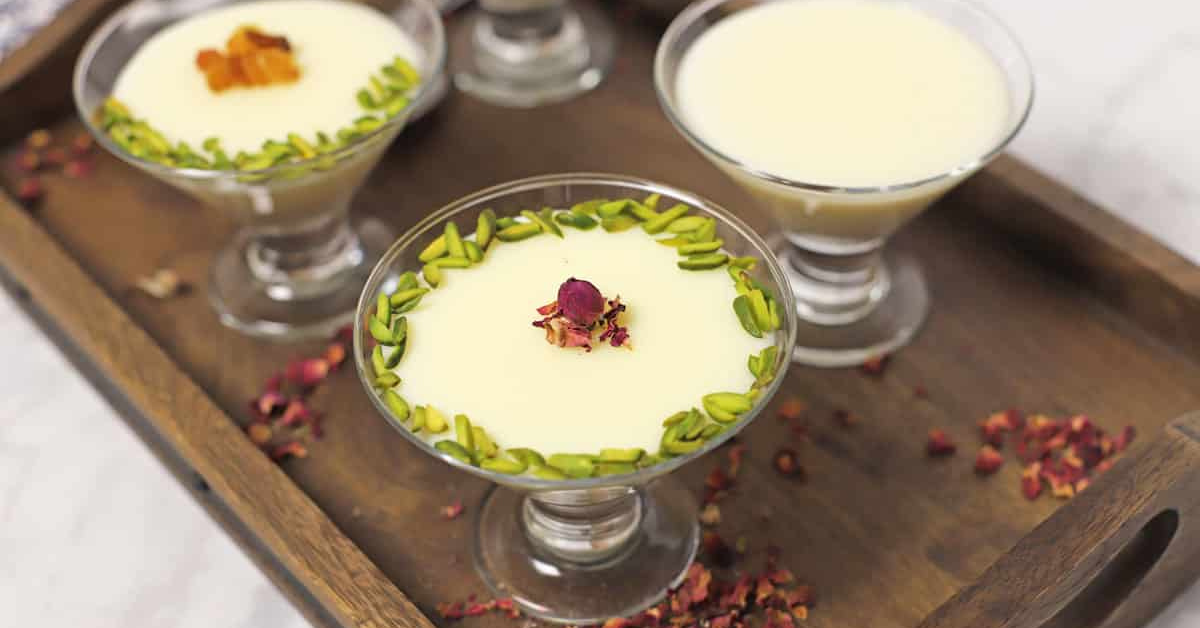
Muhakabieh culture is a vibrant tapestry woven from rich history, deep traditions, and an ever-evolving modern identity. This unique cultural heritage has roots that stretch back centuries, influencing various aspects of society today. From its distinctive fashion to tantalizing culinary delights and captivating art forms, the essence of Muhakabieh culture can be seen in countless facets of contemporary life. Yet, despite its significance, many people remain unaware or misinformed about this fascinating culture. Join us as we delve into the world of Muhakabieh—exploring its origins, customs, influences on modern society, and how it continues to thrive amidst changing times.
History and Origins of Muhakabieh
Muhakabieh culture boasts a rich history that spans centuries. Its origins trace back to the heart of the Middle East, where diverse tribes and communities intertwined their destinies.
The early Muhakabieh people were known for their nomadic lifestyle. They navigated vast landscapes, preserving oral traditions passed down through generations. This storytelling became a cornerstone of their identity.
Trade routes played a significant role in shaping Muhakabieh culture. As they interacted with neighboring civilizations, they absorbed various influences while retaining their unique customs.
Over time, agriculture emerged as a vital aspect of life for the Muhakabieh community. Settlements began to form around fertile lands, leading to more stable societies and cultural exchange.
The resilience of the Muhakabieh people is evident even today. Their ability to adapt while honoring ancestral roots continues to inspire modern interpretations of this fascinating heritage.
Traditions and Customs of Muhakabieh People
The Muhakabieh people hold a rich tapestry of traditions that reflect their vibrant culture. One of the most cherished customs is the communal gathering during festivals, where families come together to celebrate with music and dance. These events often showcase lively performances that tell stories passed down through generations.
Another significant tradition is the art of storytelling. Elders share tales filled with moral lessons and historical significance, making these moments both entertaining and educational for younger generations.
Cuisine plays an essential role in their customs as well. Traditional dishes are prepared using age-old recipes, emphasizing community involvement in cooking and sharing meals.
Dress also carries symbolism; colorful garments adorned with intricate patterns reflect not just personal identity but also cultural heritage. Each piece tells a story about family lineage or regional pride, making clothing an important aspect of Muhakabieh life.
Influence on Modern Society: Fashion, Food, and Art
Muhakabieh culture has woven its vibrant threads into the fabric of modern society, particularly in fashion. Traditional garments featuring intricate patterns and bold colors have inspired contemporary designers. These influences can be seen on runways worldwide, blending heritage with modern aesthetics.
Food is another area where Muhakabieh culture shines brightly. Dishes rich in spices and flavors are gaining popularity beyond their cultural origins. Restaurants showcasing these culinary delights often attract diverse crowds eager to explore new tastes.
Art from Muhakabieh communities also leaves a lasting impact. Contemporary artists draw upon traditional motifs, creating works that resonate with both old and new generations. This fusion invites deeper appreciation for the history behind each piece while encouraging dialogue about identity and belonging.
Each aspect reveals how deeply embedded Muhakabieh culture is within our global landscape today, enriching lives through creativity and connection.
Misconceptions and Stereotypes Surrounding Muhakabieh Culture
Muhakabieh culture often faces a myriad of misconceptions. Many people mistakenly associate it solely with traditional practices, ignoring the rich diversity within its community.
Some view Muhakabieh as a monolithic culture, reducing its vibrancy to simple stereotypes. This perspective fails to recognize the nuances and variations found among different groups within the Muhakabieh people.
Moreover, there’s a tendency to romanticize or trivialize their customs. This can lead to cultural appropriation that disrespects authentic traditions and experiences.
Misunderstandings about language are also common. People may assume all Muhakabieh individuals speak one dialect or adopt similar lifestyles, when in reality, this group is diverse in both communication and daily practices.
Addressing these stereotypes requires education and open dialogue. By fostering understanding, we can appreciate the true essence of Muhakabieh culture beyond superficial interpretations.
Preserving and Celebrating Muhakabieh Culture in the Modern World
In today’s fast-paced world, preserving Muhakabieh culture is vital. Communities are rallying together to celebrate their rich heritage through festivals and events. These gatherings highlight traditional music, dance, and storytelling.
Social media plays a crucial role in this cultural revival. Young people share stories of their ancestry online, sparking interest among wider audiences. This digital connection fosters pride and encourages exploration of traditions.
Educational programs focusing on Muhakabieh history help bridge generational gaps. Schools incorporate lessons on customs and practices, ensuring that the younger generation understands their roots.
Artisan markets showcase handmade crafts inspired by tradition while promoting local artisans. This not only supports economic development but also keeps age-old skills alive.
Culinary experiences featuring traditional dishes invite everyone to taste the flavors of Muhakabieh culture, fostering appreciation through food shared with friends and family.
Conclusion
Muhakabieh culture is a rich tapestry woven from history, traditions, and creativity. Its origins tell a story of resilience and adaptation throughout time. The customs that define the Muhakabieh people have survived generations, showcasing their unique identity.
Today, Muhakabieh culture continues to influence modern society in various ways. Fashion designs inspired by traditional attire are making waves on runways worldwide. Many chefs incorporate distinctive flavors and techniques into contemporary cuisine, offering exciting twists on classic dishes. Artists draw inspiration from the vibrant colors and patterns found within Muhakabieh art forms, bringing new life to galleries everywhere.
Unfortunately, misconceptions about this culture persist in popular discourse. Stereotypes can lead to misunderstandings that overshadow its true essence. It’s essential for us all to engage with this rich heritage thoughtfully.
As we move forward into an increasingly globalized world, preserving and celebrating Muhakabieh culture remains vital. Communities are finding innovative ways to keep traditions alive while embracing change—ensuring that future generations will appreciate their unique background.
The journey through Muhakabieh culture reveals layers worth exploring further; it invites curiosity about how past influences continue shaping our present-day experiences.
-

 FASHION2 years ago
How to Style Corset Prom Dresses with Accessories from Your Favorite Millinery Shop
-

 TOPIC2 years ago
Invitation Printing: How to Create Perfect Invitations for Any Occasion
-

 TECHNOLOGY2 years ago
About Technology From Axiumtechnet: Exploring the Beautiful Future
-

 TECHNOLOGY2 years ago
Alpha Technologies Fxm350 Snmp Oid: Comprehensive Overview
-

 BUSINESS2 years ago
Google Business Profile Kgmid Extractor: A Deep Dive
-

 FASHION2 years ago
Understanding Influencersginewuld: The New Wave of Digital Marketing
-

 TECHNOLOGY2 years ago
The Rise of Hqpotner: Exploring Its Impact on the Blogging Community
-

 BUSINESS2 years ago
Dining Delights: 200 E Business Hwy 23 Walsco Tx