
TRAVEL
Safest Sharks to Swim With: A Guide to Friendly Encounters

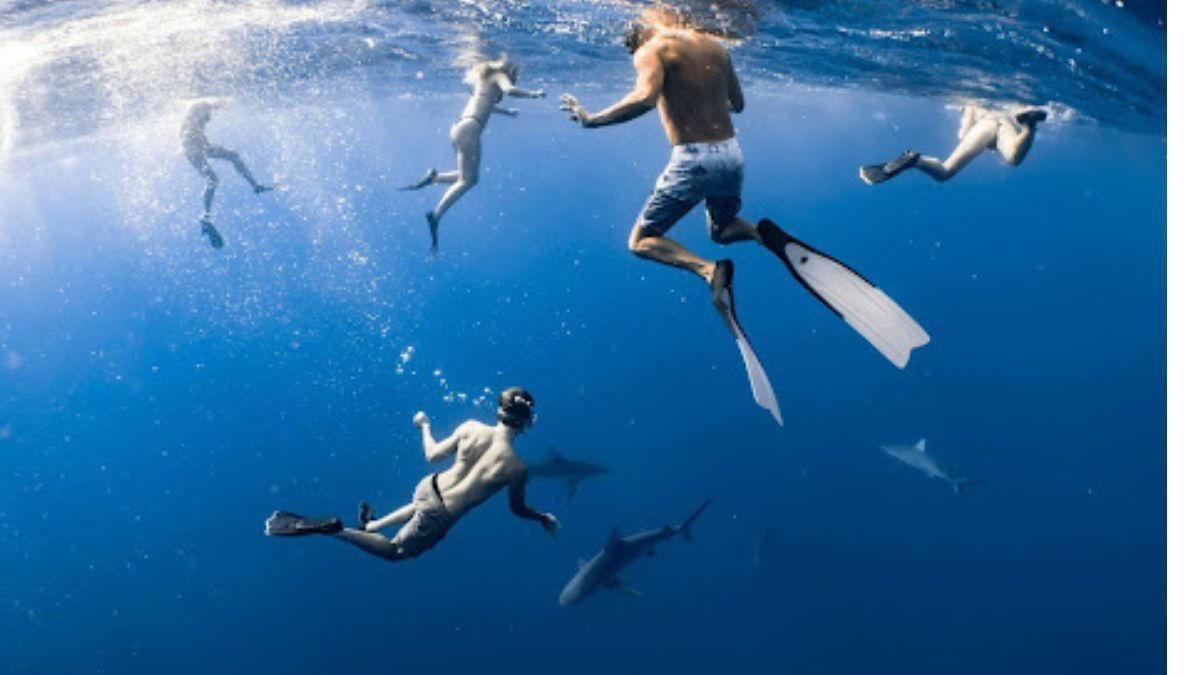
Sharks often evoke fear, but the truth is that many species are incredibly safe to swim with, offering an opportunity for thrilling yet safe encounters. If you’re interested in exploring the ocean and encountering these magnificent creatures up close, it’s essential to know which species are considered the safest sharks to swim with. While no shark should be considered entirely risk-free, some are much less likely to pose any danger to humans. This article highlights the safest sharks to swim with, ensuring you can enjoy these experiences while maintaining your safety.
1. Whale Shark (Rhincodon typus)
The whale shark is widely regarded as the safest shark to swim with. As the largest shark species, they can grow up to 40 feet in length, but despite their immense size, they are gentle giants. Whale sharks feed primarily on plankton, krill, and small fish, and their feeding behavior poses no threat to humans. These sharks are known for their calm demeanor, and they present no aggressive tendencies. They are often seen in tropical and warm oceans, particularly in places like the Philippines, Australia, and the Maldives. Swimming with a whale shark is considered an awe-inspiring and safe experience, making them one of the safest sharks to swim with.
2. Nurse Shark (Ginglymostoma cirratum)
Nurse sharks are another excellent choice for those looking to swim with sharks safely. These bottom-dwelling sharks are typically docile and non-aggressive, often seen resting on the ocean floor during the day. Nurse sharks are slow swimmers and are not known to attack unless provoked. Their calm nature makes them a popular species for shark dives in places like the Bahamas and Florida. Though they have powerful jaws, their primary diet consists of small fish, crustaceans, and invertebrates, making them highly unlikely to pose a threat to swimmers. If you’re searching for one of the safest sharks to swim with, nurse sharks are an ideal choice.
3. Blacktip Reef Shark (Carcharhinus melanopterus)
Blacktip reef sharks are commonly found in shallow coastal waters, often near coral reefs. These sharks are known for their sleek bodies and distinctive black-tipped fins. Despite their fearsome appearance, blacktip reef sharks are typically shy and prefer to keep their distance from humans. They feed on small fish, squid, and crustaceans, and pose little risk to swimmers unless provoked. As one of the smaller species of sharks, they are not as intimidating as some of their larger counterparts, making them a great option for safe shark encounters. Whether you’re in the Pacific or Indian Ocean, the blacktip reef shark remains one of the safest sharks to swim with.
4. Bamboo Shark (Family: Hemiscylliidae)
Bamboo sharks, also known as carpet sharks, are small, bottom-dwelling species that are gentle and harmless to humans. They are often found in coral reefs or rocky areas in the Indo-Pacific region. Bamboo sharks are nocturnal predators, feeding primarily on small invertebrates and fish, and they are generally not interested in humans. Due to their small size (typically ranging from 2 to 3 feet), they are considered one of the safest sharks to swim with, particularly for first-time swimmers. Their docile behavior and non-threatening nature make them ideal for a safe underwater experience.
5. Lemon Shark (Negaprion brevirostris)
The lemon shark, known for its yellowish-brown coloration, is found in coastal waters of the Atlantic and Pacific Oceans. Despite their large size, lemon sharks are known for their calm and non-aggressive behavior. They primarily feed on fish, rays, and crustaceans and do not pose a significant threat to humans. While they may display curiosity, lemon sharks are generally not inclined to attack unless provoked. In areas like the Bahamas and Florida, the opportunity to swim with lemon sharks offers an exciting yet safe experience, making them one of the safest sharks to swim with.
6. Gray Reef Shark (Carcharhinus amblyrhynchos)
Gray reef sharks are found in the clear, warm waters of the Indo-Pacific, including areas like Fiji and Hawaii. While they are slightly more active than other species, gray reef sharks are generally not considered dangerous to humans. They are often seen swimming around coral reefs, feeding on smaller fish and invertebrates. Though they may appear curious or assertive, gray reef sharks are typically cautious and do not pose a significant threat to swimmers. Their tendency to avoid human interaction makes them one of the safest sharks to swim with, especially when proper precautions are taken during the encounter.
7. Zebra Shark (Stegostoma fasciatum)
Zebra sharks, known for their distinctive striped patterns, are another excellent species to consider when looking for safe shark encounters. These sharks are commonly found in warm, shallow waters of the Indo-Pacific and are typically slow-moving and peaceful. As bottom-dwellers, zebra sharks primarily feed on small fish, crustaceans, and mollusks, and they rarely pose a threat to humans. While they can grow to lengths of 10 feet, their calm and gentle nature makes them an ideal species for swimmers seeking one of the safest sharks to swim with.
8. Mako Shark (Isurus oxyrinchus) – Under Controlled Conditions
The shortfin mako shark, known for its speed and agility, is not typically recommended for recreational swimming. However, under controlled and guided conditions, it is considered relatively safe for shark divers. This species is known for its inquisitive nature but rarely shows aggression towards humans. Mako sharks primarily prey on smaller fish and squid, and when encountered in their natural habitat with proper guidance, they are unlikely to pose any threat. While they require more caution due to their size and strength, they can still be considered among the safest sharks to swim with when under the care of experienced dive professionals.
Conclusion
Swimming with sharks is a unique and thrilling experience, and choosing the right species is key to ensuring both safety and enjoyment. The safest sharks to swim with, such as the whale shark, nurse shark, blacktip reef shark, and others, are generally gentle, non-aggressive, and uninterested in humans as prey. By choosing these species for your underwater adventure, you increase your chances of a safe and memorable encounter with one of the ocean’s most fascinating creatures. Remember, no matter which shark you choose, always ensure you’re with a knowledgeable guide, follow all safety protocols, and respect the shark’s natural environment to enjoy a safe swim with these majestic creatures.


Public transportation systems are undergoing rapid evolution as self-service technologies redefine how passengers interact with urban mobility solutions. As commuter expectations shift toward seamless, contactless, and efficient services, transit agencies are deploying cutting-edge tools to streamline operations and address urban mobility challenges. In this changing landscape, convenient options like an airport kiosk set new standards for ease of access and self-service support that cross over into the bus, rail, and shared mobility sectors.
Emerging self-service platforms not only improve the daily experiences of millions of riders but also equip public agencies with crucial insights, automated fare collection, and flexible transit solutions that adapt to dynamic city needs. These innovations are poised to drive significant growth in public transit ridership, reduce congestion, and contribute to more sustainable city environments.
Contactless Payment Systems
Contactless payment systems have become a crucial element in enhancing both the efficiency and safety of public transportation. Cities like New York have implemented advanced systems, such as OMNY, that allow passengers to pay with contactless cards or digital wallets, thereby reducing reliance on cash or paper tickets. By July 2025, OMNY accounted for about 75% of all fare payments, underscoring its widespread adoption. San Diego’s Pronto system adds another layer of innovation with features such as “Best Fare”, which ensures riders always receive the lowest possible fare through automated fare capping. This combination of flexibility and affordability exemplifies how contactless payment platforms can encourage more people to choose transit for their daily journeys.
The benefits of these systems go beyond just convenience. They significantly reduce traffic at ticket windows, speed up passenger boarding, and foster financial inclusion by accommodating both bank cards and digital wallets. As cities strive to recover and grow post-pandemic, these technologies help make transit systems more resilient and adaptable.
On-Demand Microtransit Services
Microtransit solutions blend the reliability of traditional public transit with the flexibility of app-based ride-hailing. VIA Link in San Antonio is a successful example of this trend, enabling passengers to book shared rides within set service zones. This on-demand approach addresses the challenge of first- and last-mile connectivity, particularly in areas where traditional routes lack comprehensive coverage. By booking trips that suit their personal schedules through an intuitive smartphone app, riders gain greater access to jobs, healthcare, and education, further closing mobility gaps in underserved neighborhoods.
Microtransit initiatives also help public agencies dynamically allocate resources based on real-time demand, reducing the inefficiencies associated with running empty buses on fixed routes. This can lead to significant cost savings and a more environmentally sustainable public transport system.
Autonomous Shuttle Services
Autonomous vehicles are becoming increasingly common in select urban environments. In San Francisco, a driverless electric bus service connects the residential areas of Treasure Island to local community centers. The shuttle operates on a dedicated route, with an onboard attendant available for safety. By blending automation with human oversight, transit agencies can pilot new technologies without compromising safety or passenger trust. This model is inspiring similar pilot programs throughout the United States and Europe as cities evaluate how AI-driven vehicles can supplement or replace traditional feeder routes.
Pioneering projects such as these also help identify and address regulatory, technological, and societal challenges associated with autonomous public transport. As the landscape shifts, autonomous shuttles are poised to play a pivotal role in addressing urban congestion and serving low-demand areas.
Real-Time Fare Evasion Detection
Fare evasion is a persistent challenge for transit authorities, leading to significant revenue losses. Recent advances in artificial intelligence and machine learning now enable agencies to deploy real-time fare evasion detection systems that leverage video and audio analytics. Tools such as the Vision Transformer for Video (ViViT) and the Audio Spectrogram Transformer (AST) have demonstrated high accuracy, with one system reaching nearly 90% accuracy in identifying fare evaders. By leveraging these advanced detection mechanisms, agencies can automate enforcement, reduce personnel costs, and create more efficient transportation networks.
Furthermore, real-time deterrence through automated alerts helps build a fairer, safer environment for all riders while protecting the crucial transit funding needed for infrastructure upgrades and service expansions.
Modular Agile Transit Systems
Modular Agile Transit (MAT) presents a vision of flexible urban mobility wherein vehicles are composed of pods or units that can be coupled and decoupled to accommodate changing ridership patterns. For example, groups of pods can come together during peak hours to form a larger, train-like vehicle, then separate to serve low-density routes during quieter periods. While this idea remains in the research and prototype stages, MAT could transform how cities approach route design, resource allocation, and fare collection.
By providing scalable solutions that adapt to real-time demand, MAT enables a responsive, just-in-time public transport model that maximizes passenger convenience while reducing operational inefficiencies.
Integration of Generative AI
Generative AI platforms are making a significant impact on transportation services. For instance, Air India’s Maharaja chatbot now handles over a million passenger inquiries in multiple languages, successfully resolving 80% of questions daily. This AI-driven virtual assistant provides real-time support for booking, scheduling, and travel inquiries, reducing call center load and delivering a more responsive passenger experience.
The integration of AI chatbots and virtual assistants will likely expand across global public transportation networks, offering journey planning, delay alerts, and on-demand personalized support, enabling agencies to better serve diverse and growing passenger bases.
Conclusion
The integration of self-service technologies into public transportation marks a turning point in how cities address mobility and commuter satisfaction. From contactless fare payments and dynamically routed microtransit to AI-powered virtual assistants and modular vehicles, these innovations not only enhance convenience and accessibility but also promote sustainability, efficiency, and resilience in urban transit systems. The continued advancement and adoption of these tools will play a critical role in shaping the successful, rider-focused transportation systems of tomorrow.

If you’ve ever had to protect outdoor equipment, furniture, or even your car from unpredictable weather, you’ve likely considered using a tarp. But not just any tarp will do — you need something strong, reliable, and built to last. That’s where tarnplanen comes in. The tarnplanen is more than a typical plastic sheet; it’s a high-performance, weather-resistant cover designed to keep your valuables safe and dry no matter the conditions.
What Is a Tarnplanen?
Understanding the Basics
A tarnplanen is a waterproof tarp, often made of heavy-duty polyethylene or canvas material. It is used to cover and shield various objects from external elements like rain, snow, sun, and wind. The name originates from Swedish, where “tarn” refers to a lake or water, and “planen” refers to a flat surface — essentially emphasizing its waterproof nature.
Why Choose a Tarnplanen Over Regular Tarps?
Durability Matters
Unlike standard tarps that may tear easily or fade under the sun, a tarnplanen is built to withstand harsh weather conditions for extended periods. They are often UV-resistant and have reinforced edges, preventing wear and tear.
Multi-Layered Protection
Most tarnplanen options are constructed with multi-layered materials that make them more effective in protecting against moisture and heat.
Common Uses of Tarnplanen
1. Outdoor Furniture Cover
Protecting garden chairs, tables, and sofas from the elements becomes easier with a tarnplanen.
2. Vehicle and Boat Cover
Many use tarnplanen to cover boats, motorcycles, and even bicycles. It ensures that rust and water damage are avoided.
3. Construction Sites
On construction sites, tarnplanen is used to cover building materials like wood, cement, and tools.
4. Camping and Hiking
A tarnplanen is a favorite among campers and hikers. It serves as an emergency tent, groundsheet, or rain shelter.
Materials Used in Tarnplanen
Polyethylene (PE)
This is one of the most common materials. It’s lightweight, waterproof, and budget-friendly.
Canvas
For those seeking durability, canvas tarnplanen is a great option. It’s breathable and doesn’t trap moisture, making it ideal for long-term outdoor storage.
Vinyl
Vinyl-based tarnplanen offer industrial-level protection. They’re oil-resistant, UV-resistant, and highly durable.
Benefits of Using a Tarnplanen
1. Weather Resistance
A tarnplanen shields against rain, UV rays, snow, and strong winds.
2. Cost-Effective Solution
Compared to permanent shelters or sheds, a tarnplanen is significantly cheaper and easy to replace.
3. Portable and Lightweight
It’s easy to fold, store, and carry around, making it perfect for travelers, hikers, and outdoor enthusiasts.
4. Customizable Sizes
Tarnplanen can be bought in different sizes, from small sheets for tools to massive ones covering entire vehicles.
How to Choose the Right Tarnplanen
Thickness and GSM
GSM stands for grams per square meter. The higher the GSM, the thicker and more durable the tarnplanen.
Eyelets and Reinforced Edges
Look for a tarnplanen that has metal-reinforced eyelets. These make it easier to tie down and secure.
Color and UV Protection
Lighter colors reflect heat, making them ideal for summer. Meanwhile, darker tarps absorb heat and are best used in colder climates.
Installation Tips for Tarnplanen
1. Use Bungee Cords or Ropes
For secure placement, always tie your tarnplane’n with durable cords.
2. Avoid Sharp Edges
Ensure the surface beneath the tarnplane’n is free from sharp objects that may puncture it.
3. Slant for Drainage
When using the tarnplane’n as a cover, always angle it so water can drain off instead of pooling on top.
Caring for Your Tarnplanen
Cleaning
Use mild soap and water to clean the surface. Avoid abrasive cleaners.
Storage
After use, make sure the tarnplane’n is completely dry before folding it to prevent mold or mildew.
Where to Buy Tarnplanen
You can find high-quality tarnplane’n at hardware stores, outdoor gear shops, or online platforms like Amazon, eBay, and specialized camping retailers.
Price Range of Tarnplanen
Depending on the size, material, and quality, tarnplane’n prices can range from $10 to over $150. Canvas and vinyl types are usually more expensive but last longer.
Eco-Friendly Tarnplanen Options
Many brands are now offering environmentally-friendly tarnplane’n made from recyclable materials or biodegradable fabrics. If sustainability matters to you, these are worth considering.
Future of Tarnplanen
With rising awareness of climate challenges and extreme weather, demand for reliable coverings like tarnplane’n is expected to grow. Innovations may include solar-powered tarps or smart tarps that can alert you when there’s leakage or damage.
Conclusion
Whether you’re a homeowner, traveler, or contractor, having a tarnplanen in your arsenal is always a smart move. It’s versatile, cost-effective, and designed to protect your belongings in a world full of unpredictable weather. Instead of risking damage, let a tarnplane’n do the shielding for you. It’s a small investment with big protection.

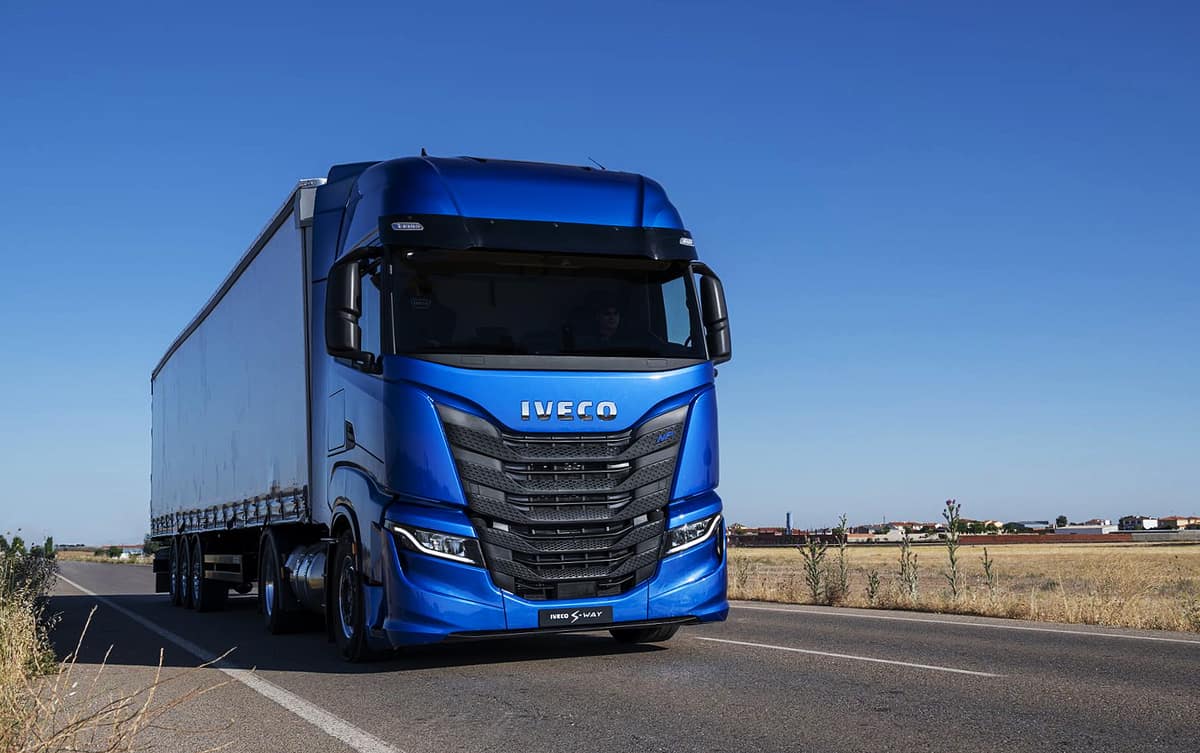
Managing a trucking fleet involves balancing operational costs, scheduling, and regulatory requirements, but maintaining vehicle reliability should remain a top priority. Investing in high-quality Iveco truck parts is crucial to preventing costly breakdowns and ensuring long-term performance.
Understanding Fleet Requirements
Operating European trucks in Australia presents unique challenges due to varying terrain and climate conditions. Models such as the Iveco Stralis have become a preferred choice for long-haul operators, efficiently covering extensive routes between major cities. Similarly, the Eurocargo series, including the ML120 and ML180, is well-suited for urban distribution, offering durability and efficiency in demanding environments, from Melbourne’s dense city streets to Brisbane’s humid conditions.
The Risks of Neglecting Maintenance
Delaying essential maintenance can result in minor issues escalating into significant mechanical failures. For example, an air conditioning unit may function adequately in cooler months, but if left unchecked, it can fail under extreme heat conditions, such as in Port Hedland during summer. Likewise, brake components that appear operational on flat terrain may underperform in more demanding environments, such as the Great Dividing Range, leading to safety concerns and operational disruptions.
Developing an Effective Parts Strategy
A well-structured Iveco truck parts strategy is essential for fleet reliability. Understanding component wear patterns and identifying critical parts that require regular replacement can prevent unexpected downtime. Fleet operators must anticipate potential failures and ensure the availability of essential spare parts to maintain efficiency and reduce repair-related delays.
Customised Maintenance Planning
Standardised maintenance schedules do not always align with the specific demands of different trucking operations. Trucks engaged in urban distribution in Adelaide face different wear factors compared to road trains operating in the Northern Territory. A proactive approach to maintenance—tailored to route conditions, load capacities, and operational demands—helps prevent issues before they arise, ensuring continued fleet performance.
Prioritising Quality for Long-Term Cost Savings
Investing in genuine or premium aftermarket Iveco truck parts is a cost-effective strategy for fleet longevity. While high-quality components may have a higher initial cost, they provide superior durability and reliability, minimising the risk of vehicle downtime. Over time, using quality parts contributes to reduced maintenance costs and improved operational efficiency.
Choosing the Right Supplier
Reliable fleet performance depends on sourcing Iveco truck parts from knowledgeable and reputable suppliers. A trusted supplier will not only provide high-quality components but also offer expertise in addressing the specific challenges of the Australian trucking industry. Whether navigating regional highways or congested urban roads, having a supplier that understands the demands of Australian conditions is essential for maintaining fleet efficiency and ensuring long-term business success.
-

 FASHION2 years ago
How to Style Corset Prom Dresses with Accessories from Your Favorite Millinery Shop
-

 TOPIC2 years ago
Invitation Printing: How to Create Perfect Invitations for Any Occasion
-

 TECHNOLOGY2 years ago
About Technology From Axiumtechnet: Exploring the Beautiful Future
-

 BUSINESS2 years ago
Google Business Profile Kgmid Extractor: A Deep Dive
-

 TECHNOLOGY2 years ago
Alpha Technologies Fxm350 Snmp Oid: Comprehensive Overview
-

 FASHION2 years ago
Understanding Influencersginewuld: The New Wave of Digital Marketing
-

 TECHNOLOGY2 years ago
The Rise of Hqpotner: Exploring Its Impact on the Blogging Community
-

 BUSINESS2 years ago
Dining Delights: 200 E Business Hwy 23 Walsco Tx