
FOOD
Herbs of the orient brand design: Importance of Brand Design

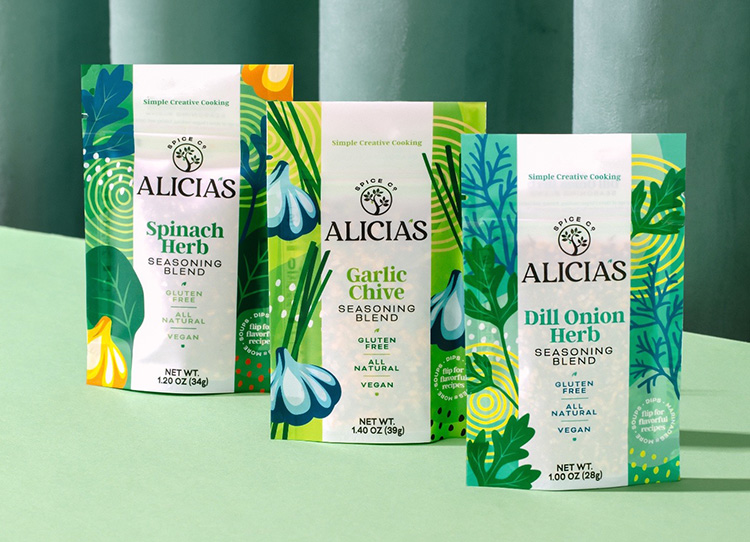
Herbs of the orient brand design is more than just a brand; it’s a journey into the rich tapestry of Eastern traditions and flavors. Imagine a world where each herb tells its story, steeped in centuries of culture and wisdom. Whether you’re an avid chef or someone who simply appreciates fine ingredients, this brand invites you to explore the essence of authentic Asian cuisine.
But what truly sets Herbs of the Orient apart? The answer lies in its thoughtful brand design. In an era where consumers are bombarded with choices, effective branding can illuminate pathways to connection and loyalty. This blog will delve into why strong brand design is crucial for Herbs of the Orient and how it draws inspiration from Eastern culture while capturing hearts worldwide. Join us as we unpack the elements that make up this captivating identity!
Importance of Brand Design
Brand design plays a pivotal role in setting the tone for any business. It’s not just about aesthetics; it’s about creating an identity that resonates with consumers.
A strong brand design communicates values, evokes emotions, and builds trust. When customers recognize your brand visually, they’re more likely to remember you. This recognition can lead to loyalty over time.
Moreover, effective brand design differentiates you from competitors. In a crowded marketplace, standing out is crucial. Unique visual elements can capture attention and intrigue potential customers.
Consistency in branding fosters familiarity as well. A cohesive look across all platforms reinforces your message and enhances credibility.
Great brand design influences perceptions and shapes experiences. It’s essential for connecting with audiences on a deeper level while paving the way for growth and success in the long run.
Inspiration from Eastern Culture
Eastern culture is a treasure trove of inspiration for brand design. Its rich history, vibrant traditions, and deep-rooted philosophies provide endless creative avenues.
Take the intricate patterns found in traditional textiles. These designs tell stories that resonate with heritage and identity. Incorporating such elements can add depth to a brand’s visual language.
Nature also plays a significant role in Eastern aesthetics. The concept of balance found in Zen gardens or the symbolism behind cherry blossoms can evoke feelings of calmness and beauty.
Color choices often reflect cultural meanings too. For example, red symbolizes good fortune while green conveys growth and renewal.
Infusing these aspects into the Herbs of the Orient brand design creates an authentic narrative that connects emotionally with consumers, making them feel part of something larger than themselves.
Key Elements of the Brand Design
The key elements of the Herbs of the Orient brand design are thoughtfully crafted to resonate with its audience. Each aspect is infused with a sense of authenticity, reflecting Eastern traditions.
Imagery plays a crucial role. Visuals often feature lush landscapes and traditional herbs, evoking a connection to nature’s bounty. This imagery helps consumers visualize the essence of each product.
Typography is equally important. Elegant fonts mirror ancient calligraphy while maintaining readability. This blend bridges tradition and modernity effectively.
Color palette choices reflect natural tones—earthy greens, rich browns, and soft pastels dominate the scene. These colors evoke tranquility and balance, hallmarks of Eastern philosophy.
Packaging speaks volumes too; it’s not just functional but an experience in itself. Thoughtful materials enhance sustainability efforts while offering an aesthetic appeal that draws customers in for closer inspection.
Color palette and Typography
The color palette of Herbs of the Orient is a vibrant reflection of its roots. Rich greens evoke freshness and vitality, while deep reds and golds suggest warmth and tradition. Each hue tells a story, inviting consumers to connect with the essence of Eastern culture.
Typography plays an equally crucial role. The font selection harmonizes beautifully with the brand’s values, blending modern elegance with traditional charm. A clean sans-serif typeface can convey clarity and sophistication, while subtle flourishes in script fonts add a touch of authenticity.
Together, these design elements create an immersive experience that transports customers to distant lands. They enhance product perception and instill trust in quality. Thoughtful integration ensures that every visual aspect resonates with the ethos behind Herbs of the Orient, making each interaction memorable for those who seek both wellness and adventure through their products.
Packaging and Label Design
The packaging and label design for Herbs of the Orient is a vital aspect that brings the brand to life. Each element reflects the rich tradition and vibrant culture from which these herbs originate.
Thoughtful designs evoke curiosity and invite customers to explore what’s inside. The use of intricate patterns inspired by Eastern art adds depth, telling stories through visuals alone.
Labels are not just functional; they breathe personality into each product. Clear typography complements engaging graphics, ensuring readability while celebrating heritage.
Sustainability plays a role too, with eco-friendly materials that resonate with modern consumers’ values. This commitment enhances brand loyalty.
When customers see beautifully crafted packaging on shelves, they feel an immediate connection. It transforms a simple purchase into an experience wrapped in culture and care.
Marketing and Promotion
Effective marketing and promotion are vital for the success of Herbs of the Orient. A strong strategy can amplify brand visibility and build lasting customer relationships.
Embracing digital platforms is essential. Social media campaigns showcase product benefits while engaging potential customers in real-time. Sharing user-generated content creates a community around the brand, fostering authenticity.
Collaborations with influencers who share a passion for Eastern culture can expand reach significantly. Their endorsements appeal to a wider audience, bringing fresh perspectives on herbal products.
Pop-up events or workshops offer hands-on experiences with the herbs, allowing consumers to connect directly with the brand’s mission. These interactions deepen trust and encourage repeat purchases.
Consistent messaging across all channels reinforces brand identity. Whether through blog posts or newsletters, maintaining an authentic voice will resonate deeply with target audiences interested in holistic health solutions from Eastern traditions.
Reflection on Success and Impact
The success of Herbs of the Orient is not just measured by sales figures. It’s about creating a lasting impression in a competitive market. The brand has cultivated a loyal customer base, drawn to its authentic representation of Eastern culture and values.
Every element—from packaging to marketing—reflects an understanding of the audience’s needs and preferences. This connection fosters trust, encouraging consumers to choose Herbs of the Orient time after time.
Moreover, the impact on community awareness regarding herbal remedies is significant. By educating customers about the benefits of these natural products, the brand promotes healthier living choices.
This influence extends beyond commerce; it inspires others in the industry to prioritize authenticity and cultural appreciation in their designs. Success isn’t merely financial; it’s also about making waves that resonate far into future generations.
Future Goals for the Brand
Herbs of the Orient envisions a vibrant future that transcends borders. Our aim is to expand our product line, introducing new and exotic herbs that resonate with diverse tastes.
Sustainability is at the forefront of our goals. We plan to incorporate eco-friendly packaging solutions that reflect our commitment to the environment. This initiative will appeal to environmentally conscious consumers.
Collaborative partnerships are also on our radar. By teaming up with local artisans and farmers in Eastern regions, we can enrich our offerings while supporting communities directly involved in sourcing these unique ingredients.
Moreover, we’re exploring digital realms for an enhanced customer experience. A robust online presence paired with engaging content will foster deeper connections with our audience.
Innovation drives us forward as we seek ways to blend tradition with modernity in all aspects of Herbs of the Orient brand design. The journey ahead promises growth, creativity, and profound impact on wellness enthusiasts worldwide.
Conclusion
The journey of Herbs of the Orient brand design is a reflection of rich culture and thoughtful execution. By melding traditional Eastern elements with modern aesthetics, the brand has carved out a unique identity in the marketplace.
A well-crafted brand design not only communicates values but also resonates emotionally with consumers. The careful selection of colors and typography plays a significant role in this process, drawing customers into an experience that feels both authentic and inviting.
Packaging goes beyond mere functionality; it tells a story. Each label captures the essence of Eastern herbs while appealing to contemporary tastes. This attention to detail fosters loyalty among customers who appreciate quality and authenticity.
Marketing efforts have effectively showcased this distinctive identity, reaching audiences through various channels. Social media campaigns highlight both product benefits and cultural stories, bridging gaps between East and West.
Looking ahead, there are ambitious plans for expansion—broadening product lines or venturing into new markets could amplify its reach even further. With each step forward, maintaining that strong connection to heritage will remain paramount.
Herbs of the Orient has successfully established itself as more than just a brand—it embodies a lifestyle choice rooted in tradition yet looking toward future possibilities. As it continues to evolve, one can anticipate exciting developments that honor its origins while embracing innovation.
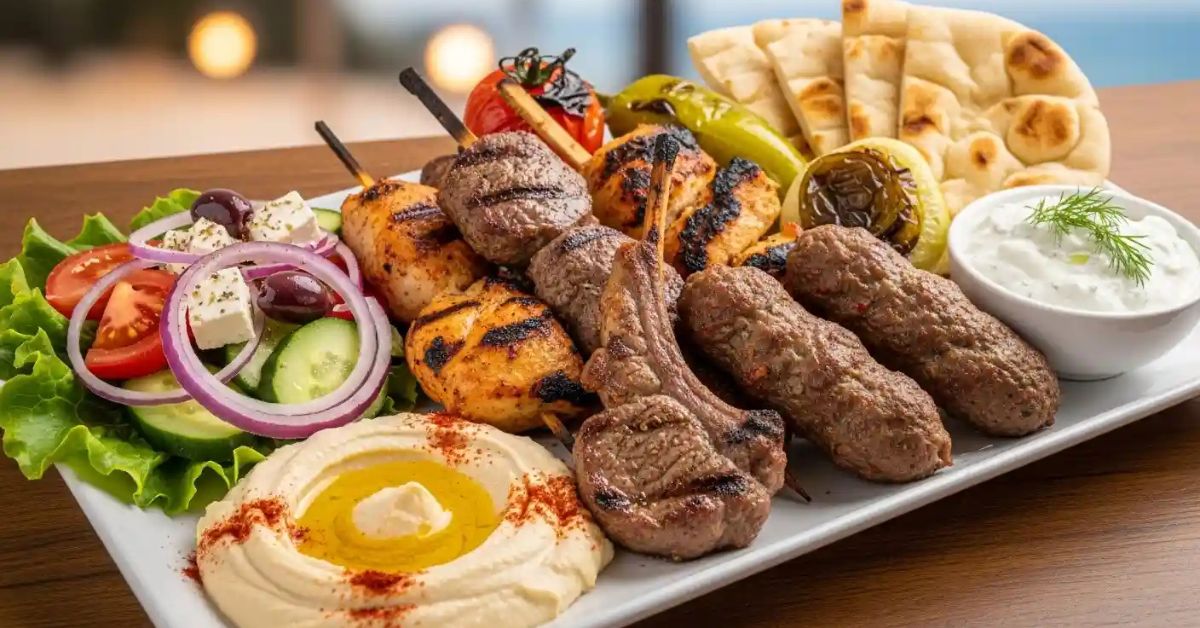
Levapioli—a dish that whispers tales of tradition, culture, and culinary artistry. This delightful creation has traveled through time, captivating taste buds across generations. With roots tracing back to the heart of Mediterranean cuisine, Levapioli is more than just a meal; it’s an experience steeped in history and flavor.
Imagine sinking your teeth into tender meat wrapped in warm dough, seasoned to perfection with spices that dance on your palate. Each bite tells a story of its origins—stories filled with family gatherings and celebrations around rustic tables.
Join us as we embark on a flavorful journey through the world of Levapioli, exploring its rich history, traditional ingredients, unique preparation methods, and modern interpretations that keep this dish alive today. Whether you’re a culinary enthusiast or simply curious about new tastes, there’s something enchanting waiting for you in every piece of Levapioli.
Ingredients Used in Levapioli
At the heart of Levapioli lies a blend of high-quality ingredients that create its irresistible flavor. The star component is finely minced meat, typically beef or lamb. This choice adds richness and depth to each bite.
Spices play a crucial role in defining the dish’s character. A mix of salt, black pepper, and paprika enhances the meat’s natural taste while providing warmth. Some regions might toss in garlic for an extra kick.
The dough used for wrapping is equally important. Made from simple flour, water, and yeast, it forms a soft yet sturdy casing that encases the flavorful filling perfectly.
Fresh herbs like parsley can also be sprinkled throughout for brightness. Each ingredient contributes to Levapioli’s unique profile and embodies centuries-old culinary traditions passed down through generations.
Traditional Methods of Preparing Levapioli
The preparation of Levapioli is a time-honored tradition. It begins with the selection of quality ingredients, each adding a unique layer to the final dish.
Meat is typically marinated and seasoned before being shaped into small patties or rolls. This careful attention to flavor lays the groundwork for an unforgettable taste.
Once molded, these treats are cooked over an open flame or grilled on hot coals. The smoky aroma that wafts through the air enhances every bite.
Another traditional method involves baking them in a wood-fired oven, which creates a delightful crust while keeping the inside tender and juicy.
Each step reflects generations of culinary expertise passed down through families, celebrating culture and passion in every savory mouthful.
Regional Variations of Levapioli
Levapioli is not just a dish; it’s a canvas of regional flavors and traditions. In Italy, where it originated, variations flourish across different regions. Each area adds its unique twist to this beloved delicacy.
In the north, you might find Levapioli infused with local cheeses and herbs like basil or oregano. It becomes a rich tapestry of creamy textures and aromatic scents that dance on your palate.
Travel southward, and you’ll encounter spicy versions featuring chili flakes or paprika. These fiery twists bring an exciting kick that warms the soul during colder months.
Coastal areas often incorporate fresh seafood into their recipes. Imagine Levapioli filled with shrimp or squid—an homage to the bountiful Mediterranean waters.
Each bite tells a story of cultural influences, local ingredients, and generations of culinary expertise passed down through time. It’s more than food; it’s a journey through Italy itself.
Exploring the Flavors of Levapioli
Levapioli is a culinary gem that tantalizes the taste buds. Each bite introduces layers of flavor, making it a favorite among food lovers.
The rich blend of spices creates an aromatic experience. Cumin and paprika often take center stage, offering warmth and depth. The tenderness of the meat melts in your mouth, complemented by fresh herbs like parsley or cilantro.
Accompanying sauces elevate levapioli further. A dollop of creamy yogurt or tangy tahini can enhance its savory profile beautifully.
Texture plays a key role as well; the crispy exterior contrasts with juicy interiors, providing an exciting sensation with every bite. Enjoyed alongside warm bread or fresh vegetables, levapioli becomes even more satisfying.
Every region adds its flair to this dish, showcasing local ingredients that enrich its essence and story at each turn.
Modern Takes on Levapioli
Modern interpretations of Levapioli are breathing new life into this traditional dish. Chefs today are experimenting with unique ingredients and innovative cooking methods while honoring the classic flavors.
Some have introduced gourmet spices, elevating the flavor profile beyond its rustic roots. Others opt for plant-based substitutes, catering to a growing audience seeking vegetarian or vegan options without sacrificing taste.
Fusion cuisine is also making waves. Think Levapioli served in tacos or as sliders at trendy food trucks. These bold combinations attract diners looking for something familiar yet refreshingly different.
Presentation has become an art form too. Instead of straightforward platters, modern dishes might arrive deconstructed on stylish boards, inviting patrons to engage more deeply with their meal.
Through these adaptations, Levapioli remains relevant and continues to captivate palates around the world—proving that it’s not just about tradition but evolution as well.
Where to Find Authentic Levapioli
Finding authentic Levapioli can be a delightful adventure. Many cities boast eateries that pride themselves on serving traditional dishes.
Start your search in local markets, where family-owned stalls often sell freshly made Levapioli. These vendors usually follow age-old recipes passed down through generations.
Restaurants specializing in regional cuisine also offer excellent options. Look for places that emphasize homemade ingredients and traditional cooking techniques. Don’t hesitate to ask questions; passionate chefs are eager to share their craft.
For a true experience, consider visiting cultural festivals celebrating the dish. Here, you can taste various interpretations of Levapioli while soaking up the vibrant atmosphere.
Online platforms may have listings or reviews highlighting hidden gems in your area. Connecting with food bloggers or culinary enthusiasts can lead you to must-try locations as well.
Conclusion: The Timeless Appeal of Levapioli
Levapioli holds a special place in the hearts of food lovers around the world. Its rich history and cultural significance make it more than just a dish; it’s a culinary experience steeped in tradition. The blend of flavors from its high-quality ingredients brings people together, whether at family gatherings or street festivals.
As you explore this delightful dish, you’ll find that every bite tells a story. From traditional preparation methods passed down through generations to modern interpretations that push culinary boundaries, Levapioli showcases versatility and creativity.
No matter your location, finding authentic Levapioli can be an adventure worth taking. Each region offers its unique spin on the classic recipe, ensuring there is always something new to discover. Whether enjoyed as part of a casual meal or presented at fine dining establishments, Levapioli continues to capture palates across cultures.
The timeless appeal of Levapioli lies not only in its taste but also in the memories created around it. As you savor each mouthful, remember that you’re participating in a shared heritage—a celebration of flavor and community that transcends time. Let yourself dive into this exquisite journey through taste and tradition; it’s one worth relishing again and again.


In recent years, the term calamariere has sparked curiosity across food circles, gourmet blogs, and culinary innovation spaces. While the word itself sounds exotic and intriguing, its significance reaches far beyond just a unique-sounding dish. Whether you’re a seafood enthusiast, a curious traveler, or someone exploring new culinary trends, understanding what calamariere represents is a delicious journey worth taking.
Let’s unravel the mystery of calamariere together.
What is Calamariere?
Understanding the Origin of Calamariere
The term calamariere stems from the root word “calamari,” which is a widely used term for squid in Mediterranean cuisine. “-iere” is a suffix often used in French and Italian to denote a profession or a tool. Combined, calamariere could symbolically represent a dish, a preparation style, or even a person associated with squid-based cuisine.
The Cultural Roots of Calamariere
A Mediterranean Heritage
Most believe calamariere has roots in coastal Italian and Greek traditions, where squid is a staple. Whether it’s grilled, fried, or stuffed, squid has long been cherished for its versatility and flavor. Calamariere takes this love to the next level, presenting squid with flair and innovation.
Calamariere vs Calamari: What’s the Difference?
While calamari usually refers to fried squid rings, calamariere is a more artistic and gourmet approach. Think of calamariere as the elevated sibling of calamari—more refined, plated elegantly, and often featuring creative ingredients like saffron aioli, microgreens, or squid ink reduction.
How Calamariere is Prepared
Traditional Methods
In classic kitchens, calamariere preparation follows a few essential steps:
-
Fresh squid is cleaned thoroughly.
-
The body is either sliced into rings or kept whole for stuffing.
-
It may be grilled, sautéed, or lightly fried.
-
Ingredients like garlic, lemon, herbs, and white wine are key flavor enhancers.
Modern Fusion Techniques
Modern chefs are pushing the limits:
-
Infusing squid with Asian flavors like soy, miso, or gochujang.
-
Serving calamariere as sushi or on tapas platters.
-
Pairing it with wine reductions or artisan sauces.
The Rise of Calamariere in Gourmet Restaurants
From Street Food to Fine Dining
While calamari has long been a street food favorite, calamariere is redefining how we view squid. Top chefs are now featuring calamariere on tasting menus, elevating it with molecular gastronomy techniques or unique presentations on lava stone plates.
Why Calamariere is Gaining Popularity
Healthy and High in Protein
Squid is lean, low in fat, and rich in protein. For those seeking nutritious yet flavorful meals, calamariere offers the perfect combination.
Instagram-Worthy Aesthetic
With its artistic presentation, calamarier’e has also become a social media darling. Foodies love posting its intricate details and rich textures on Instagram and TikTok.
How to Make Calamariere at Home
You don’t need to be a Michelin-star chef. Here’s a basic recipe idea:
Simple Grilled Calamariere
Ingredients:
-
500g cleaned squid
-
2 tbsp olive oil
-
2 cloves garlic (minced)
-
Lemon zest and juice
-
Fresh parsley
-
Sea salt and pepper
Steps:
-
Marinate squid in olive oil, garlic, and lemon zest.
-
Grill on medium heat for 2–3 minutes per side.
-
Sprinkle parsley, squeeze fresh lemon, and serve with aioli or spicy tomato dip.
Pairing Calamariere with Wine and Sides
-
White Wines: Sauvignon Blanc or Pinot Grigio complement its flavor.
-
Sides: Roasted veggies, couscous, or a citrusy arugula salad work well.
Is Calamariere Suitable for All Diets?
While seafood isn’t for vegetarians or vegans, calamarier’e fits Mediterranean, Keto, and low-carb diets perfectly. Just avoid deep frying if you want it heart-healthy.
Sustainability and Ethical Sourcing
Why It Matters
Overfishing is a global issue. When preparing or ordering calamarier’e, ask if the squid was ethically and sustainably sourced. Look for certifications or ask restaurants about their seafood origins.
The Future of Calamariere
Chefs continue to reinvent the dish with plant-based squid substitutes, bold flavor pairings, and eco-friendly techniques. It’s more than food—it’s an evolving art form.
Where to Find the Best Calamariere
Look for Mediterranean bistros, seafood-focused fine dining restaurants, or modern fusion eateries in culinary capitals like New York, Barcelona, or Tokyo. Yelp and foodie blogs often highlight rising stars in the calamarier’e scene.
Conclusion
Calamariere isn’t just a dish; it’s an experience. It’s about tradition meeting innovation, simplicity evolving into elegance. Whether you’re dining out or cooking at home, trying calamarier’e will open your palate to new flavors and cultural richness. So next time you’re scanning a menu or shopping at a seafood market—look out for the calamarier’e. You won’t regret it.
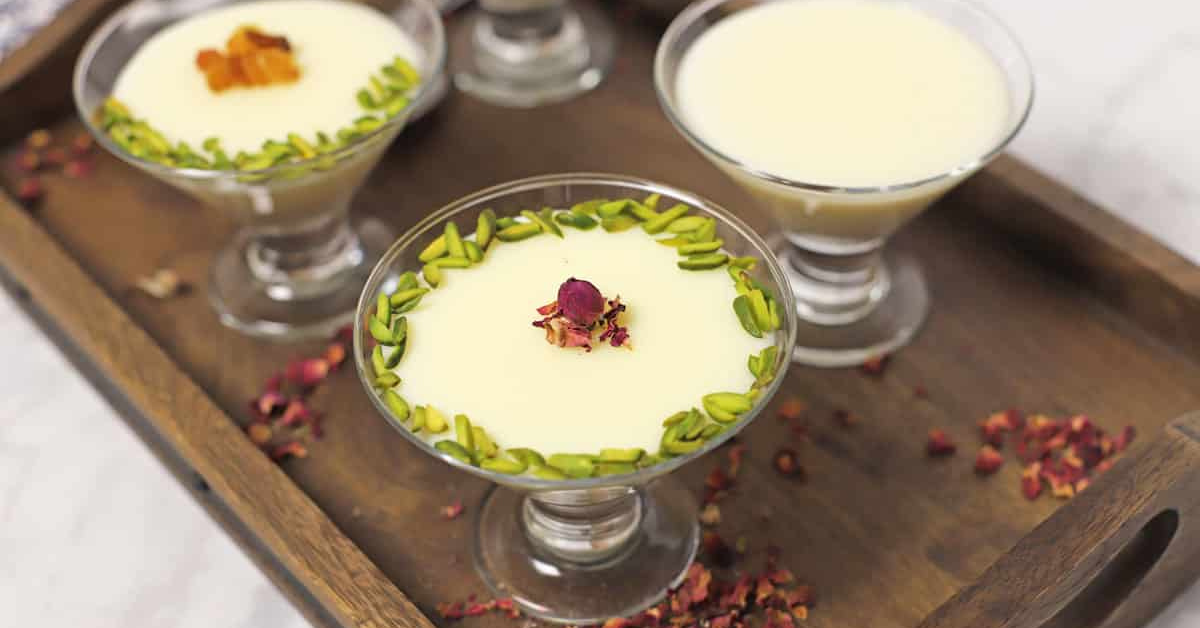
Muhakabieh culture is a vibrant tapestry woven from rich history, deep traditions, and an ever-evolving modern identity. This unique cultural heritage has roots that stretch back centuries, influencing various aspects of society today. From its distinctive fashion to tantalizing culinary delights and captivating art forms, the essence of Muhakabieh culture can be seen in countless facets of contemporary life. Yet, despite its significance, many people remain unaware or misinformed about this fascinating culture. Join us as we delve into the world of Muhakabieh—exploring its origins, customs, influences on modern society, and how it continues to thrive amidst changing times.
History and Origins of Muhakabieh
Muhakabieh culture boasts a rich history that spans centuries. Its origins trace back to the heart of the Middle East, where diverse tribes and communities intertwined their destinies.
The early Muhakabieh people were known for their nomadic lifestyle. They navigated vast landscapes, preserving oral traditions passed down through generations. This storytelling became a cornerstone of their identity.
Trade routes played a significant role in shaping Muhakabieh culture. As they interacted with neighboring civilizations, they absorbed various influences while retaining their unique customs.
Over time, agriculture emerged as a vital aspect of life for the Muhakabieh community. Settlements began to form around fertile lands, leading to more stable societies and cultural exchange.
The resilience of the Muhakabieh people is evident even today. Their ability to adapt while honoring ancestral roots continues to inspire modern interpretations of this fascinating heritage.
Traditions and Customs of Muhakabieh People
The Muhakabieh people hold a rich tapestry of traditions that reflect their vibrant culture. One of the most cherished customs is the communal gathering during festivals, where families come together to celebrate with music and dance. These events often showcase lively performances that tell stories passed down through generations.
Another significant tradition is the art of storytelling. Elders share tales filled with moral lessons and historical significance, making these moments both entertaining and educational for younger generations.
Cuisine plays an essential role in their customs as well. Traditional dishes are prepared using age-old recipes, emphasizing community involvement in cooking and sharing meals.
Dress also carries symbolism; colorful garments adorned with intricate patterns reflect not just personal identity but also cultural heritage. Each piece tells a story about family lineage or regional pride, making clothing an important aspect of Muhakabieh life.
Influence on Modern Society: Fashion, Food, and Art
Muhakabieh culture has woven its vibrant threads into the fabric of modern society, particularly in fashion. Traditional garments featuring intricate patterns and bold colors have inspired contemporary designers. These influences can be seen on runways worldwide, blending heritage with modern aesthetics.
Food is another area where Muhakabieh culture shines brightly. Dishes rich in spices and flavors are gaining popularity beyond their cultural origins. Restaurants showcasing these culinary delights often attract diverse crowds eager to explore new tastes.
Art from Muhakabieh communities also leaves a lasting impact. Contemporary artists draw upon traditional motifs, creating works that resonate with both old and new generations. This fusion invites deeper appreciation for the history behind each piece while encouraging dialogue about identity and belonging.
Each aspect reveals how deeply embedded Muhakabieh culture is within our global landscape today, enriching lives through creativity and connection.
Misconceptions and Stereotypes Surrounding Muhakabieh Culture
Muhakabieh culture often faces a myriad of misconceptions. Many people mistakenly associate it solely with traditional practices, ignoring the rich diversity within its community.
Some view Muhakabieh as a monolithic culture, reducing its vibrancy to simple stereotypes. This perspective fails to recognize the nuances and variations found among different groups within the Muhakabieh people.
Moreover, there’s a tendency to romanticize or trivialize their customs. This can lead to cultural appropriation that disrespects authentic traditions and experiences.
Misunderstandings about language are also common. People may assume all Muhakabieh individuals speak one dialect or adopt similar lifestyles, when in reality, this group is diverse in both communication and daily practices.
Addressing these stereotypes requires education and open dialogue. By fostering understanding, we can appreciate the true essence of Muhakabieh culture beyond superficial interpretations.
Preserving and Celebrating Muhakabieh Culture in the Modern World
In today’s fast-paced world, preserving Muhakabieh culture is vital. Communities are rallying together to celebrate their rich heritage through festivals and events. These gatherings highlight traditional music, dance, and storytelling.
Social media plays a crucial role in this cultural revival. Young people share stories of their ancestry online, sparking interest among wider audiences. This digital connection fosters pride and encourages exploration of traditions.
Educational programs focusing on Muhakabieh history help bridge generational gaps. Schools incorporate lessons on customs and practices, ensuring that the younger generation understands their roots.
Artisan markets showcase handmade crafts inspired by tradition while promoting local artisans. This not only supports economic development but also keeps age-old skills alive.
Culinary experiences featuring traditional dishes invite everyone to taste the flavors of Muhakabieh culture, fostering appreciation through food shared with friends and family.
Conclusion
Muhakabieh culture is a rich tapestry woven from history, traditions, and creativity. Its origins tell a story of resilience and adaptation throughout time. The customs that define the Muhakabieh people have survived generations, showcasing their unique identity.
Today, Muhakabieh culture continues to influence modern society in various ways. Fashion designs inspired by traditional attire are making waves on runways worldwide. Many chefs incorporate distinctive flavors and techniques into contemporary cuisine, offering exciting twists on classic dishes. Artists draw inspiration from the vibrant colors and patterns found within Muhakabieh art forms, bringing new life to galleries everywhere.
Unfortunately, misconceptions about this culture persist in popular discourse. Stereotypes can lead to misunderstandings that overshadow its true essence. It’s essential for us all to engage with this rich heritage thoughtfully.
As we move forward into an increasingly globalized world, preserving and celebrating Muhakabieh culture remains vital. Communities are finding innovative ways to keep traditions alive while embracing change—ensuring that future generations will appreciate their unique background.
The journey through Muhakabieh culture reveals layers worth exploring further; it invites curiosity about how past influences continue shaping our present-day experiences.
-

 FASHION2 years ago
How to Style Corset Prom Dresses with Accessories from Your Favorite Millinery Shop
-

 TOPIC2 years ago
Invitation Printing: How to Create Perfect Invitations for Any Occasion
-

 TECHNOLOGY2 years ago
About Technology From Axiumtechnet: Exploring the Beautiful Future
-

 TECHNOLOGY2 years ago
Alpha Technologies Fxm350 Snmp Oid: Comprehensive Overview
-

 BUSINESS2 years ago
Google Business Profile Kgmid Extractor: A Deep Dive
-

 FASHION2 years ago
Understanding Influencersginewuld: The New Wave of Digital Marketing
-

 TECHNOLOGY2 years ago
The Rise of Hqpotner: Exploring Its Impact on the Blogging Community
-

 BUSINESS2 years ago
Dining Delights: 200 E Business Hwy 23 Walsco Tx